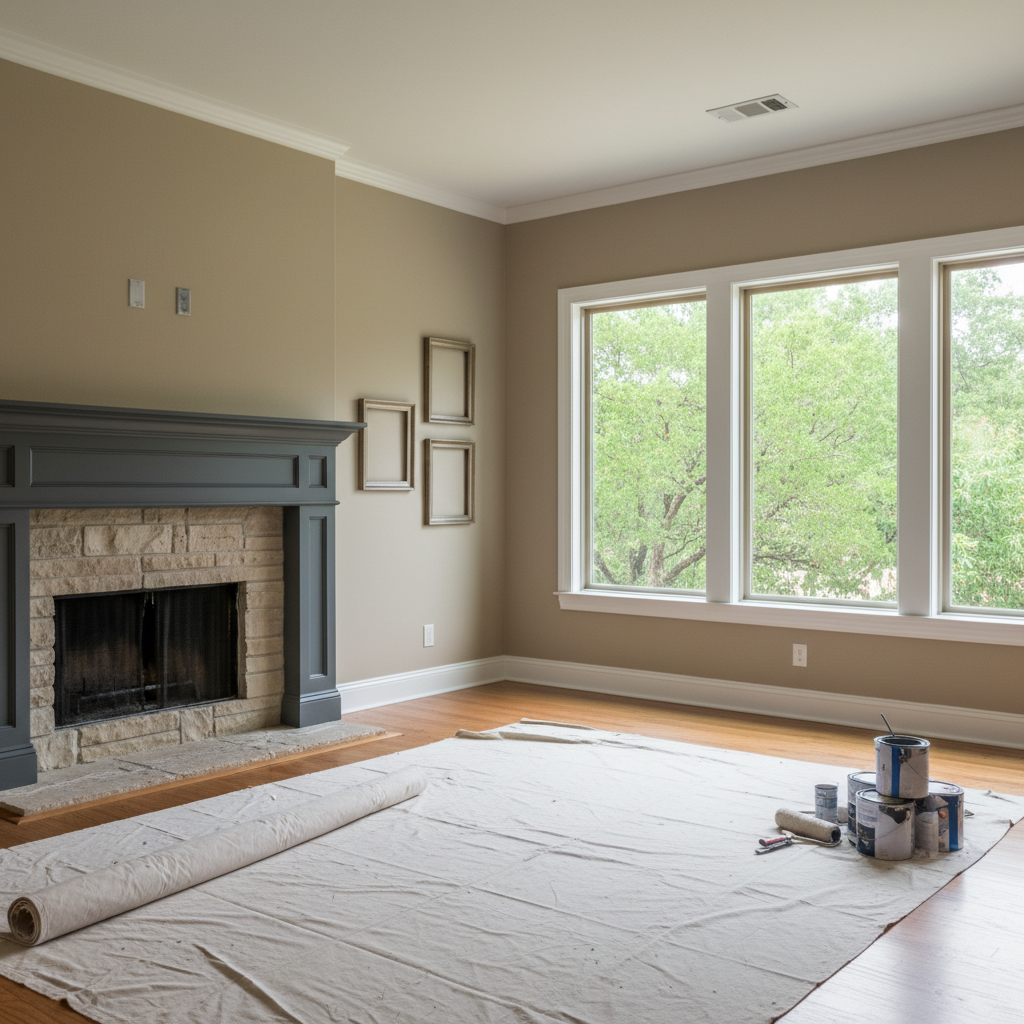
When's the best time to paint the inside of your house here in Lakeway? Most folks don't think about the weather when it comes to interior painting. They figure, 'It's inside, so who cares?' But trust me, as someone who's been doing this for years with All Star Remodeling Company, the local climate makes a real difference. It affects everything from how well the paint goes on to how long it actually lasts.
Why Lakeway's Climate Matters for Interior Paint
Our Texas weather isn't just hot; it's humid. And that humidity, along with big temperature swings, can really mess with paint if you're not careful. Think about those scorching summers, then the cooler, sometimes damp winters. Paint needs specific conditions to cure properly. If it's too humid, it dries slowly, which can lead to streaks, uneven finishes, or even mold growth under the paint film if the surface wasn't prepped right. If it's too cold, the paint might not adhere well or cure completely, leaving it vulnerable to chipping down the road. We've seen it happen in homes all over, from Flintrock Falls to Rough Hollow.
The Best Time to Paint Inside Your Lakeway Home
So, when should you schedule that interior paint job? Generally, I tell my clients to aim for the spring or fall. Here's why:
Spring (March - May): This is often ideal. The temperatures are usually mild, not too hot, not too cold. Humidity levels are generally lower than in summer, but not bone-dry. This allows the paint to dry and cure at a steady, optimal rate. You can open windows for ventilation without battling extreme heat or cold, which is great for airing out paint fumes.
Fall (September - November): Similar to spring, fall offers those sweet spot temperatures and lower humidity. After the summer heat breaks, the air becomes much more agreeable. It's another excellent window for interior work, especially if you're looking to freshen things up before the holidays.
Now, can you paint in summer or winter? Sure, you can. But you'll need to be more strategic. During summer, you'll be running your AC constantly to keep the indoor humidity down. That's fine, but it means higher energy bills. In winter, you'll need to keep the heat on, and sometimes the air can get very dry, which can make paint dry too quickly and potentially crack or show brush marks. It's doable, but spring and fall just make everything easier and often lead to a better, more durable finish.
Weather Conditions to Watch Out For
Even if it's spring or fall, you still need to pay attention to the forecast. Here are a few things that can impact an interior paint job:
High Humidity: If we're having a particularly muggy week, even in spring, it's something to consider. Too much moisture in the air slows down drying time. This isn't just about convenience; slow drying can affect the paint's adhesion and durability. Good ventilation is key here – fans, open windows (if humidity outside isn't sky-high), and even dehumidifiers can help.
Extreme Temperatures: While we're talking interior, the outside temperature still affects the inside. If it's freezing outside, your walls might be colder, making paint take longer to dry. If it's scorching, the paint might dry too fast, leading to issues. Keeping your home's internal temperature consistent, usually between 60-80°F, is crucial.
Rainy Days: Believe it or not, heavy rain can increase indoor humidity. If you're painting on a rainy day, keep those windows closed and rely on your HVAC system and fans to manage the air quality and drying conditions.
Protecting Your Investment Year-Round
Once your interior paint job is done, you want it to last. Here's how you protect that investment:
Maintain Indoor Humidity: This is probably the biggest one for Lakeway homes. Our summers are brutal. Keep your AC running to control humidity. If you notice dampness or musty smells, especially in bathrooms or basements, consider a dehumidifier. High humidity can lead to mildew on walls, even with good paint.
Ventilate, Ventilate, Ventilate: After showers, while cooking, or even just daily living, open a window for a bit or use exhaust fans. Stale, moist air is paint's enemy.
Clean Gently: When you need to clean your walls, use a soft cloth and a mild cleaner. Harsh chemicals or abrasive scrubbing can damage the paint finish, especially if it's a flatter sheen.
Touch-Ups: Don't wait for a small scuff to become a big problem. Keep a small amount of your leftover paint for quick touch-ups. It's much easier to blend a small spot than to repaint a whole wall.
Getting the timing right for your interior painting project can save you headaches and ensure your walls look great for years. It's not just about picking a color; it's about understanding how our unique Lakeway environment impacts the work. If you're planning a refresh, give us a call at All Star Remodeling Company. We'd be happy to talk through your project and make sure it's done right, with our Texas climate in mind.