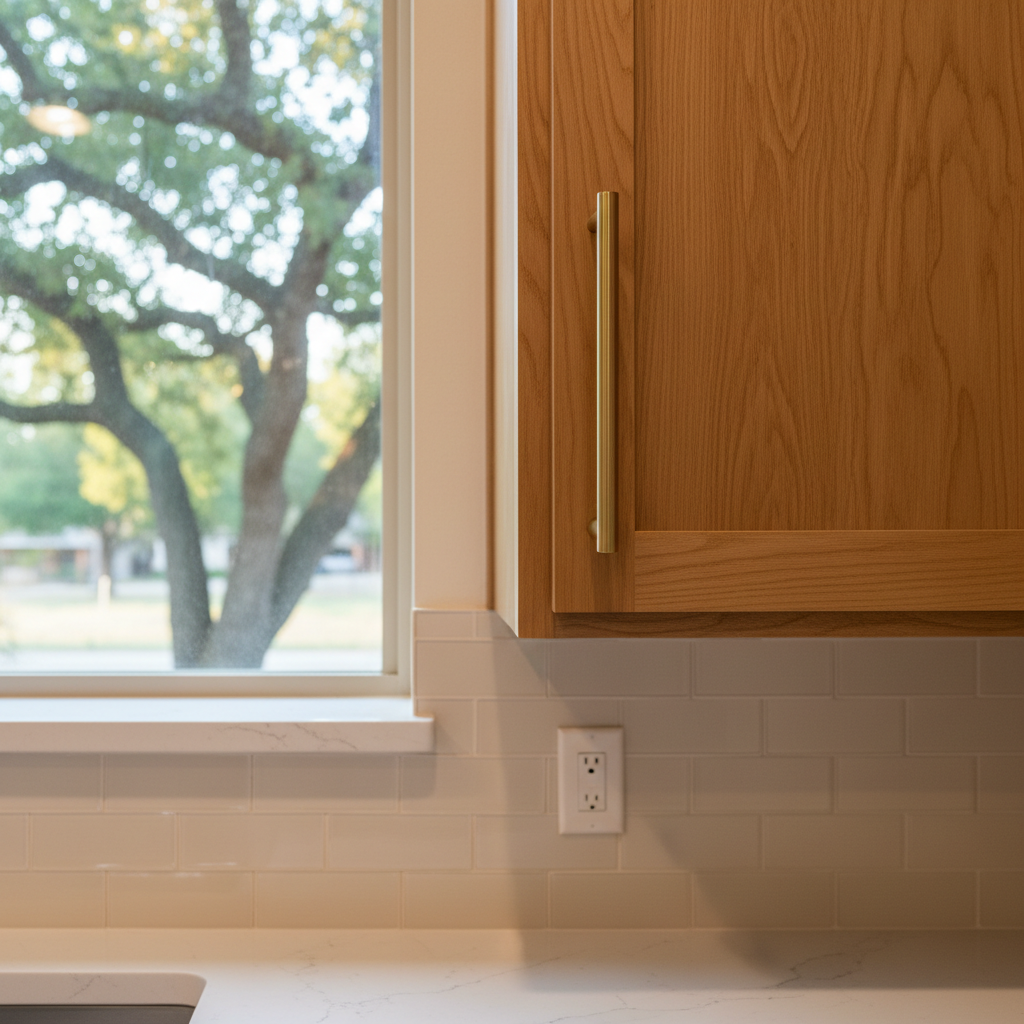
Alright, let's talk cabinets. You're probably looking at your kitchen or bathroom right now, maybe you're just tired of the same old look, or you desperately need more functional space. New cabinets? They can totally transform a room, truly. And I often get asked if this is something a homeowner can tackle themselves. The short answer? Sometimes. The long answer is a bit more nuanced, especially with some of the custom homes we see around Lakeway.
Before You Even Think About Lifting a Cabinet, Seriously
Planning is probably the most critical step here, and it's where you can actually do a lot of the heavy lifting yourself. Don't skip this part. I mean it.
- Measure, Measure, Measure: Grab your tape measure and be super precise. Measure the length of every wall where cabinets will go, the height from the floor right up to the ceiling, and absolutely any obstructions like windows, doors, or electrical outlets. Double-check everything. Then triple-check. A small miscalculation here can completely throw off your whole layout later on.
- Design Your Layout: This is where you figure out what goes where, which is half the fun. Think about how you'll move around in a kitchen, or how you'll actually use the storage in a bathroom. There are tons of online cabinet design tools available, or you can just sketch it out on good old graph paper. Consider standard cabinet sizes – base cabinets are typically 34.5 inches high (that's before the countertop goes on), and wall cabinets usually come in 30, 36, or 42-inch heights. Oh, and don't forget filler strips for those awkward gaps.
- Choose Your Cabinets: Now this is the fun part, but also where costs can really start to climb. You've got stock cabinets (ready-made, usually the cheapest), semi-custom (a few size options, more finishes to pick from), and custom (built exactly to your specs, definitely the most expensive). For a simple refresh, stock cabinets can be a fantastic DIY option. If you're aiming for something unique or have some odd-sized spaces, you're probably looking at semi-custom or custom, and that's often where a pro really comes in handy with the ordering and all those design details.
- Check Your Walls: This step is absolutely crucial, especially in older Lakeway homes or ones that have already seen a few remodels. Are your walls plumb and level? Are there studs exactly where you need them for hanging those wall cabinets? You'll definitely need a stud finder, and if your walls are seriously out of whack, you're going to have a tough time getting cabinets to hang straight and flush. Sometimes, shimming behind the cabinets works, but if it's a major issue, you might need to address the wall itself first, you know?
During Installation: DIY vs. Pro
Okay, you've got your plan all set and your cabinets are ready. Now for the actual work. This is where the line between doing it yourself and calling All Star Remodeling Company gets a whole lot clearer.
What You Can Probably DIY (with some patience and a friend):
- Assembling Flat-Pack Cabinets: If you went with IKEA or similar flat-pack cabinets, putting them together is definitely a DIY job. It's kind of like adult LEGOs, honestly. Just follow the instructions carefully, step by step.
- Installing Base Cabinets: These are generally easier than wall cabinets because, well, they rest on the floor. You'll need to level them, shim them if necessary, and screw them together. Just make sure they're anchored securely to the wall studs.
- Basic Wall Cabinet Installation (if your walls are perfect): If your walls are perfectly plumb and you have a good helper, you can probably get a few wall cabinets up. You'll need a ledger board – that's a temporary support screwed to the wall – to rest them on while you secure them.
When to Call a Pro (or at least get a quote from us):
- Anything Custom or Semi-Custom: If you've invested in higher-end cabinets, you really don't want to mess them up. A professional installer knows exactly how to handle these delicate pieces, make precise cuts for fillers, and ensure a flawless finish.
- Out-of-Plumb Walls: If your walls are wavy or not plumb at all, getting cabinets to look right is an absolute nightmare. Pros have tricks and tools to deal with this, shimming and scribing panels so everything looks straight even if the wall isn't.
- Complex Layouts or Corner Cabinets: Blind corner cabinets, lazy Susans, or intricate pantry units can be super tricky to install correctly and align perfectly.
- Heavy or Oversized Cabinets: Some of these cabinets are absolute beasts. Getting them lifted and secured accurately takes muscle, specialized tools, and often more than just two hands.
- You're Not Confident: Honestly, if you're feeling overwhelmed or just plain unsure, don't force it. It's always better to pay a professional to do it right than to end up with crooked cabinets, damaged walls, or worse, a cabinet falling off the wall. We've actually seen that happen.
After the Install: Finishing Touches
Once the cabinets are actually in, you're not quite done. You'll still need to install hardware like handles and pulls, which is a pretty DIY-friendly task. Just use a template for consistent placement. Then there's trim and molding – crown molding on top of wall cabinets, toe kicks at the bottom of base cabinets. These really add that polished, finished look. If you're comfortable with a miter saw, you can definitely tackle these. If not, or if you want perfectly seamless joints, a finish carpenter (which All Star Remodeling Company can provide, by the way) will make them look factory-perfect.
Ultimately, installing cabinets is a big job. Some parts are definitely within a handy homeowner's reach, especially for simpler projects. But for a truly professional, long-lasting result, particularly in a high-value home like many we work on here in Lakeway, bringing in an experienced team can save you headaches, time, and potentially some really costly mistakes down the road.